blankcard.stl for 3D printing"Desi play" typically refers to theatrical, musical, or cinematic performances that draw on South Asian (primarily Indian, Pakistani, Bangladeshi, Nepali, Sri Lankan) cultural themes, languages, aesthetics, and social contexts. An impressive, concise explanation:
If you want, I can draft a full-length program blurb, a 2–3 minute synopsis, or a scene excerpt in a specific South Asian language/register. Which would you like?
"Desi play" combines the colloquial term "desi"—from Sanskrit deśa, meaning 'country'—which in contemporary use denotes people, culture, and practices of South Asia and its diaspora, with "play" as a dramatic work intended for stage, screen, or digital performance. Such works often weave regional languages (Hindi, Urdu, Punjabi, Bengali, Tamil, etc.), idioms, music, dress, family dynamics, religious and ritual elements, and socio-political concerns specific to South Asian life. They may range from traditional folk dramas and classical forms (like Nautanki, Jatra, Tamasha) to modern urban theatre, community storytelling, and diasporic experimental pieces that negotiate identity, migration, gender, caste, colonial history, and intergenerational tensions.
Short example description for a program blurb: "A Desi play blending Hindi and English, interlacing filmi songs with classical ragas, that follows three generations of a family as they confront an arranged-marriage proposal, exploring love, honor, and the aftershocks of migration with wit and heart."
Reach us via email if you can help.
Many thanks to our supporters and contributors who have joined us in this pursuit of preserving this segment of digital history:
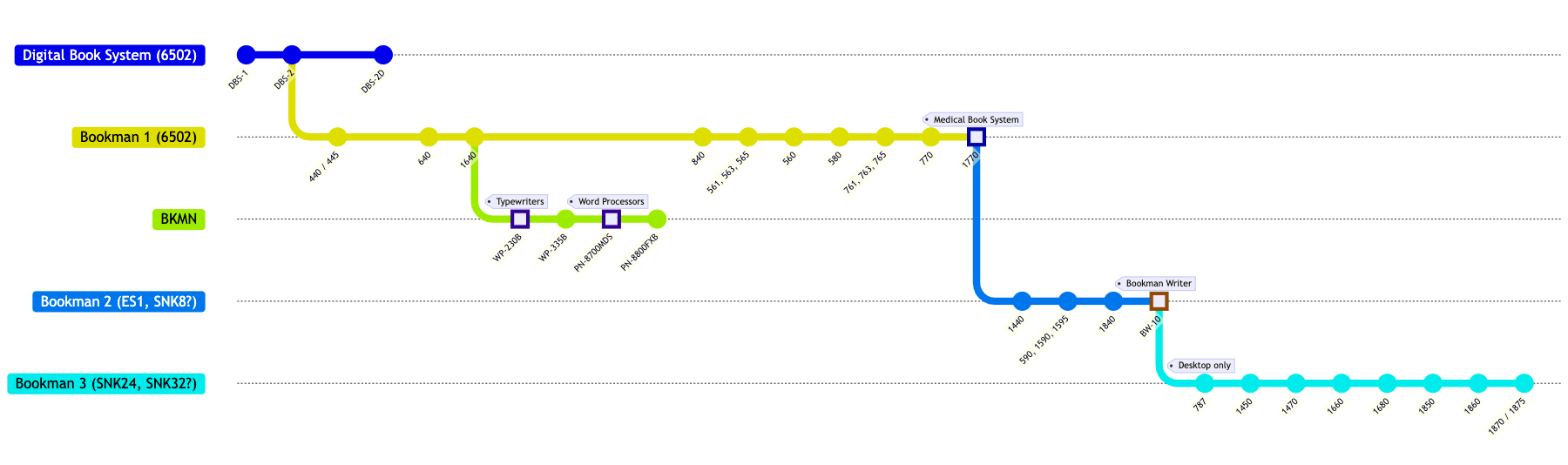
Bookman system compatibility chart coming soon.
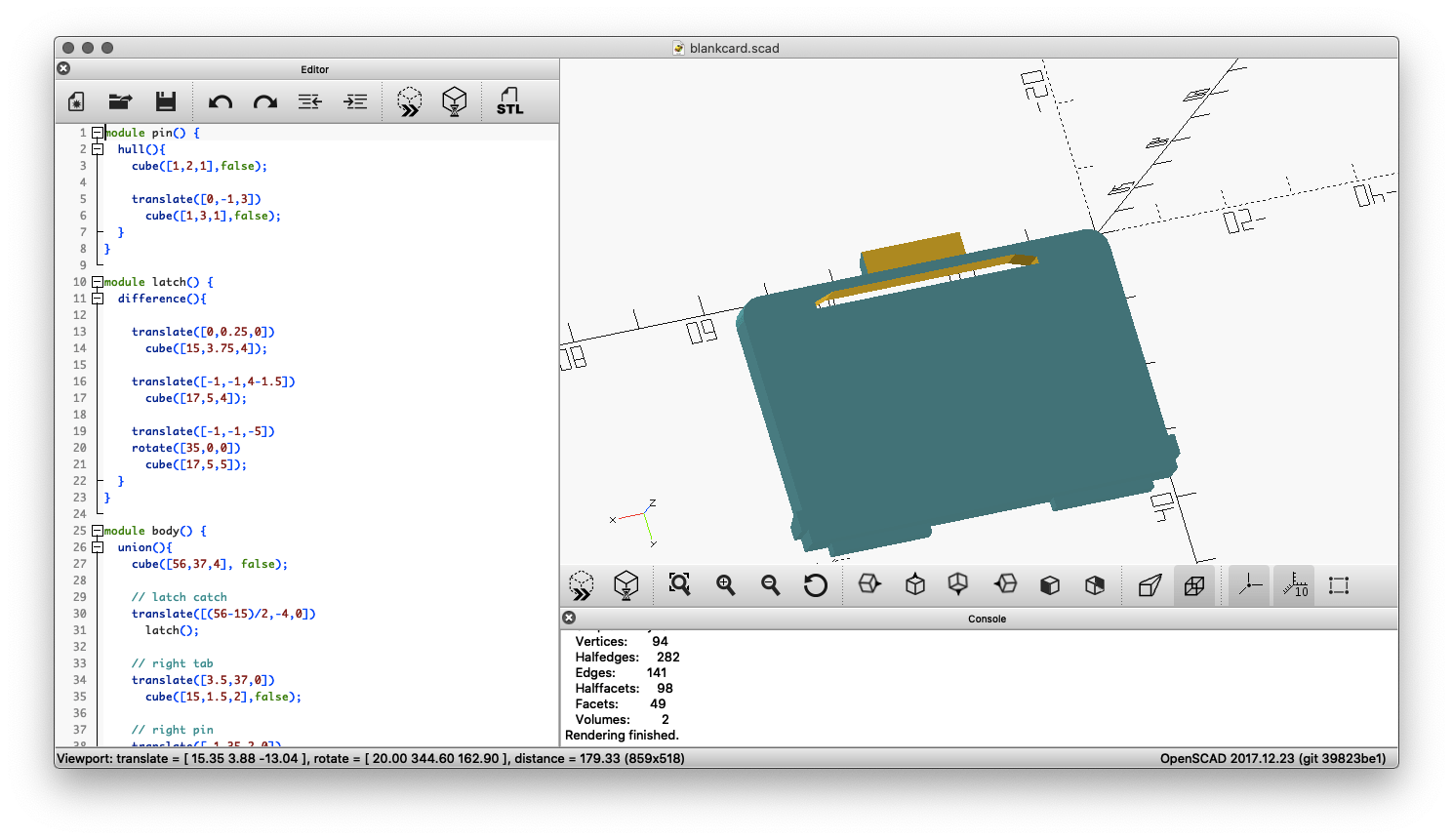
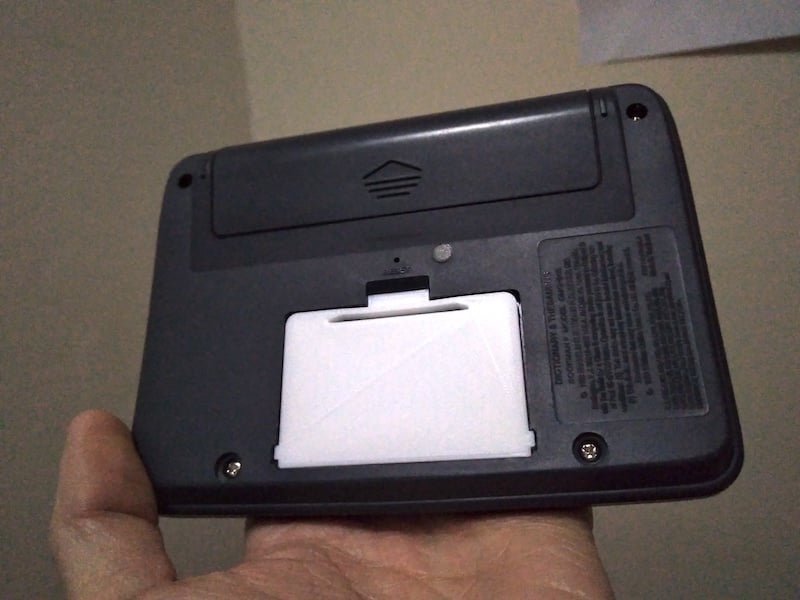
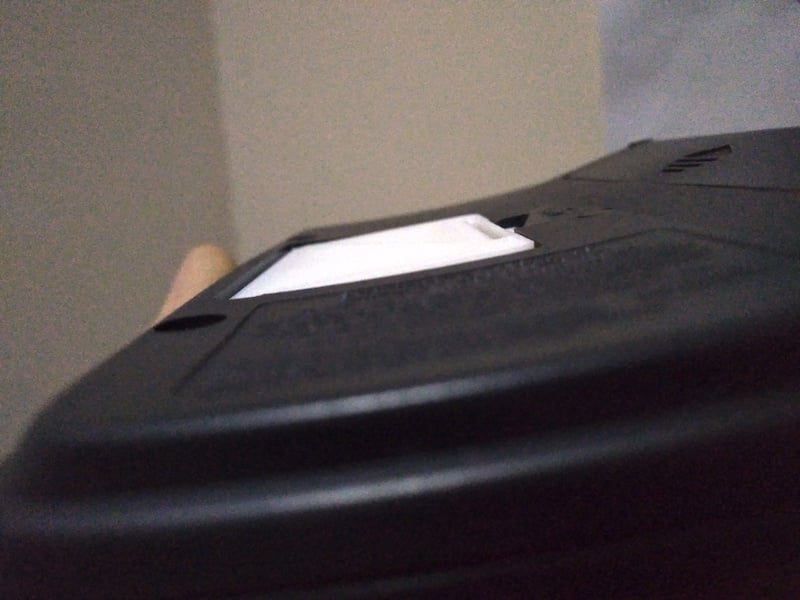
This 3D printable card blank will ensure your Bookman cartridge contact strip stays clean and sits flush with the rest of the device by filling the card slot.
|
|
|
Download blankcard.stl for 3D printing |
||
This tool is used to create replacement labels for Franklin BOOKMAN cartridges that have faded or otherwise deteriorated labelling. The generated labels are downloadable as SVG files and can be printed at 100% scale for a 1:1 reproduction size suitable for application on worn ROM cards.
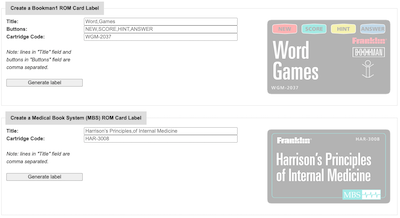
See the source code for this tool here.
You can find scans of various Franklin promotional / catalog leaflets below. Items listed in chronological order.
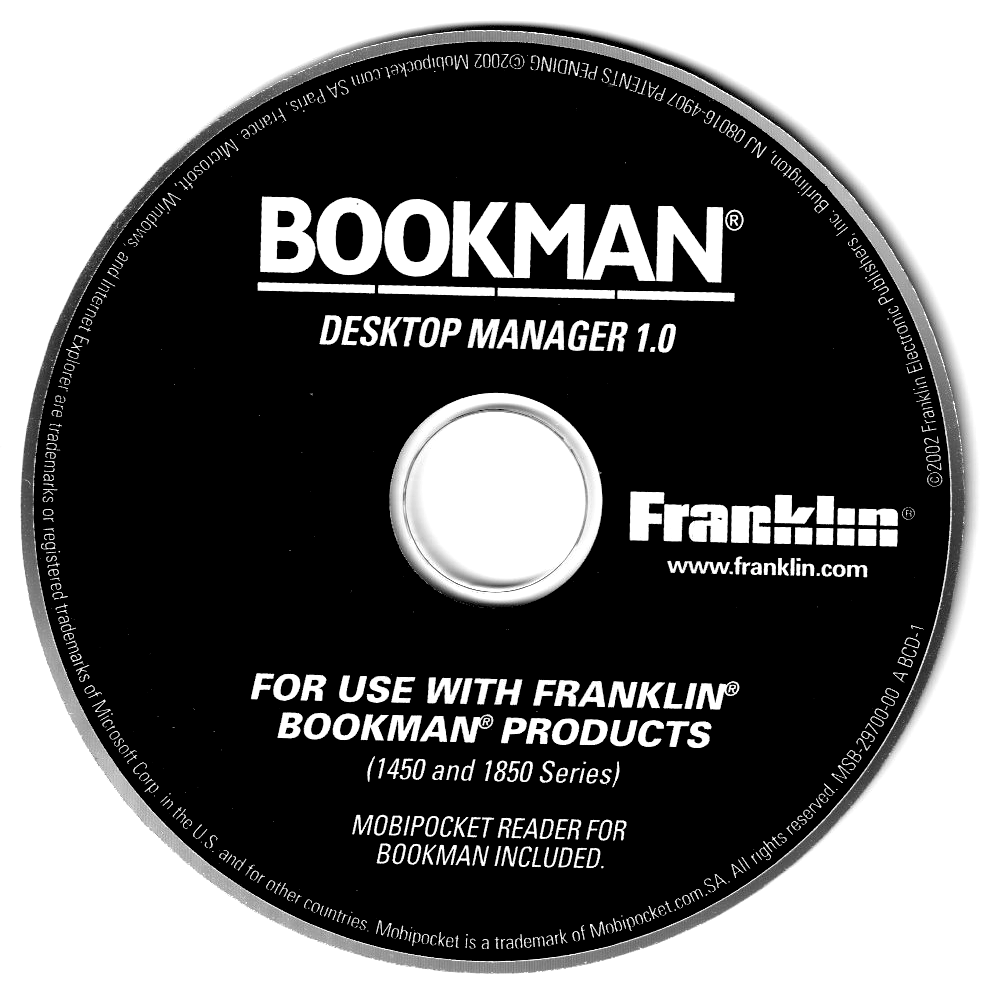
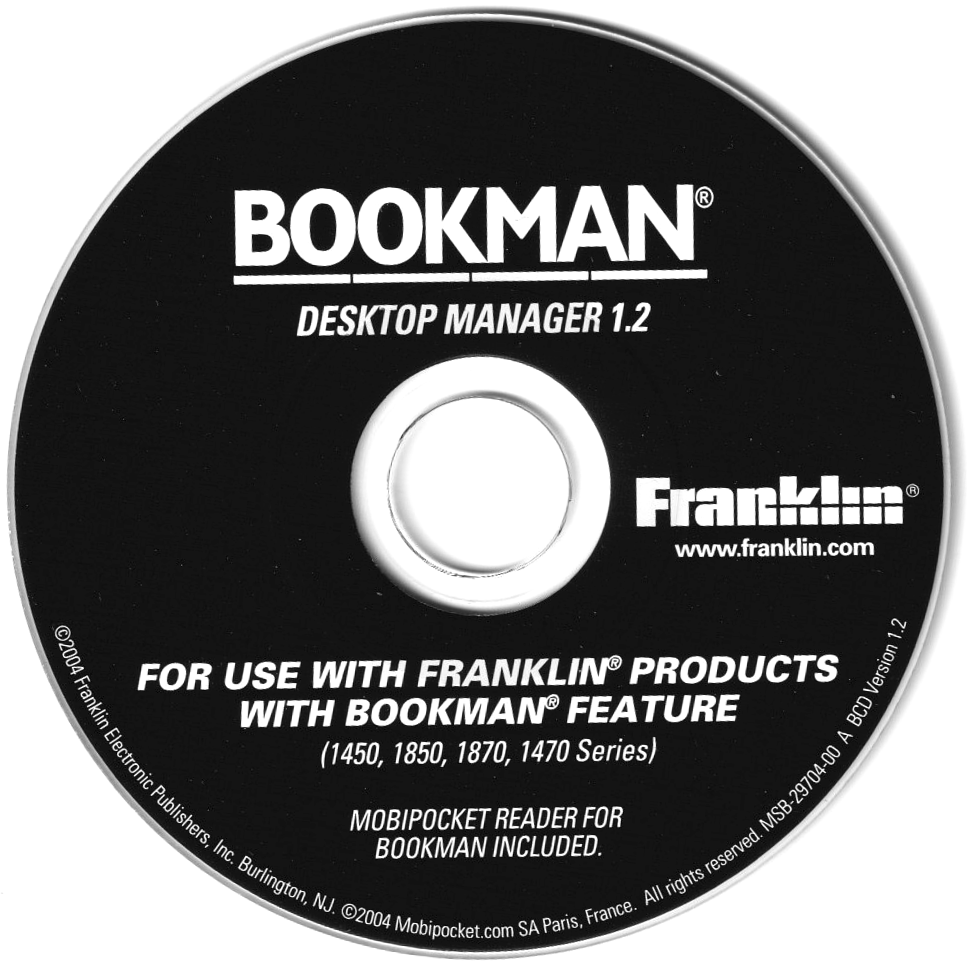
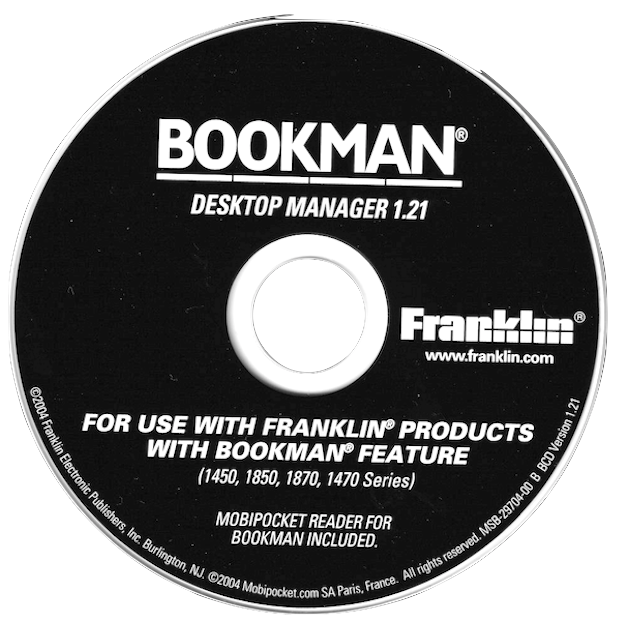
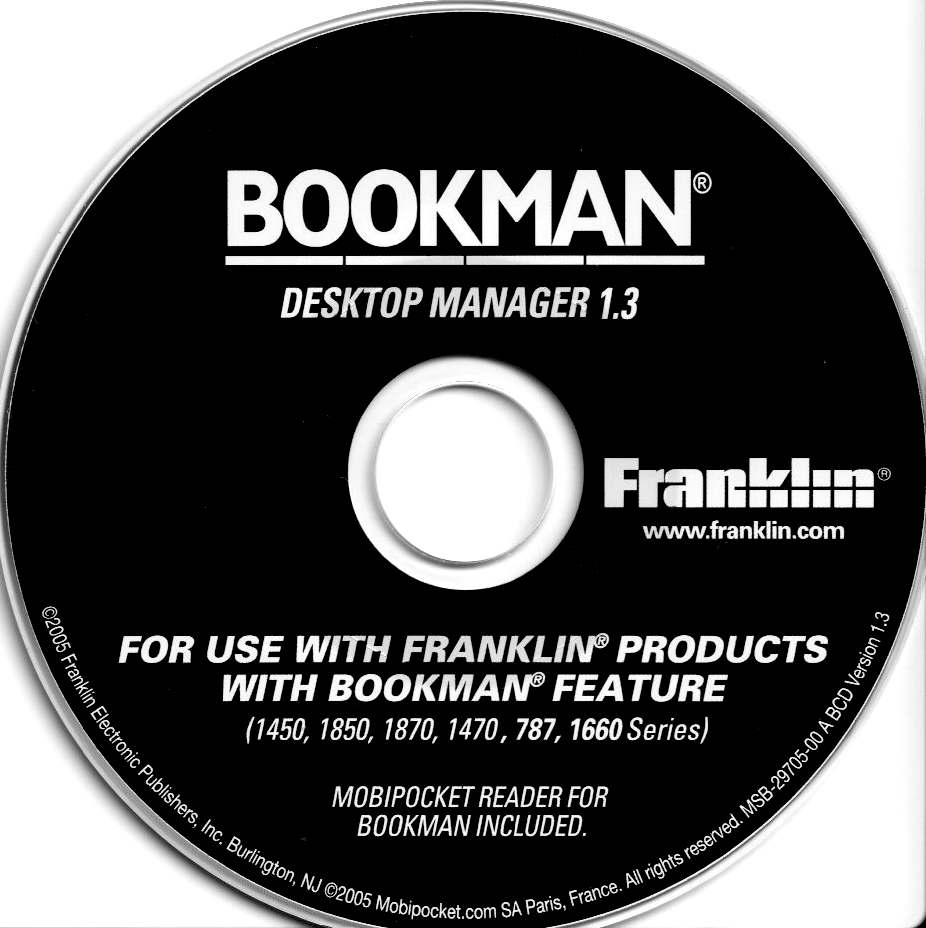
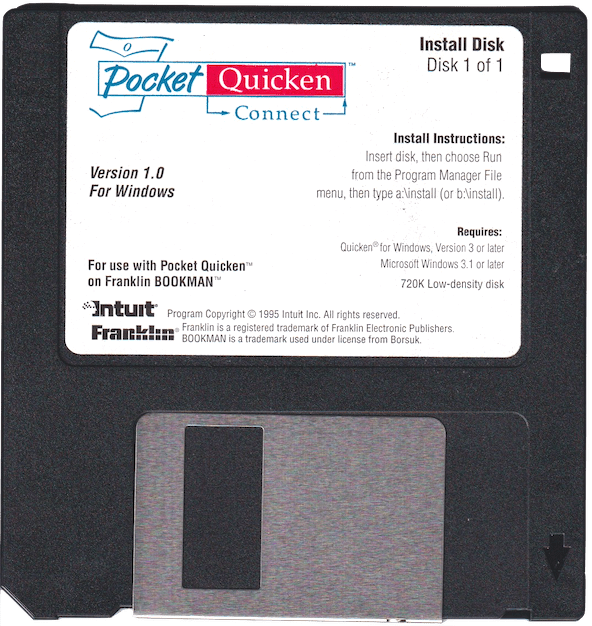
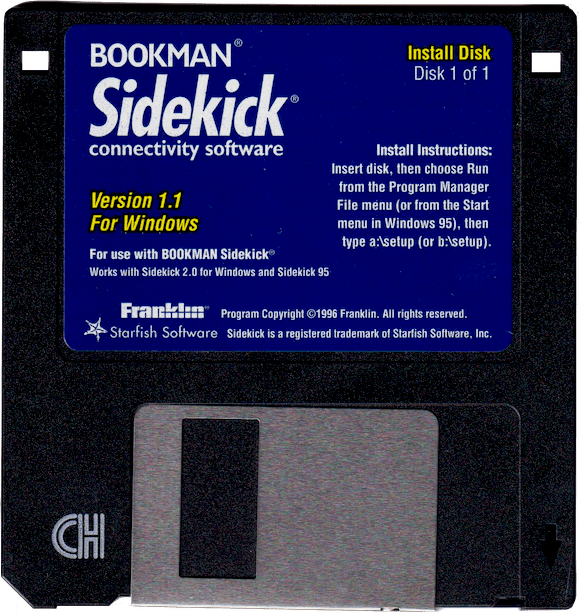
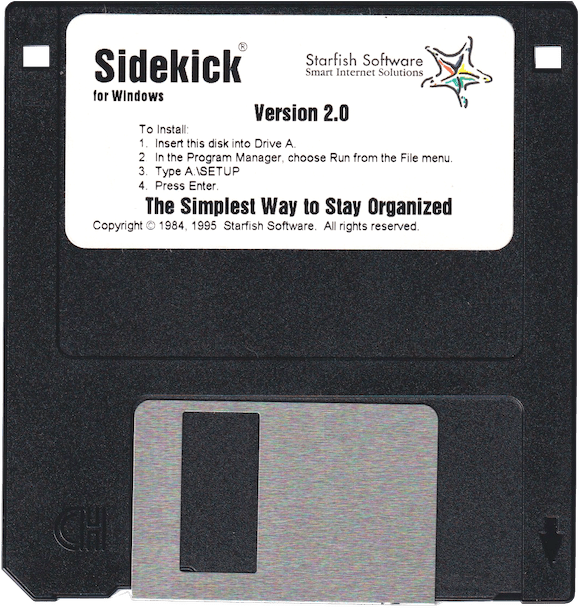
This is a collection of disk images and files of related software that came bundled as part of various Franklin DBS / Bookman devices. Click to download these files.
|
|
|
|
|
|
|
FEP received its own official number in the USB vendor code list after submitting it to the USB consortium: 0x09b2 (hex) or 2482 (dec). The submission was related to use of USB for the eBookman device.
CK2FRK
"Desi play" typically refers to theatrical, musical, or cinematic performances that draw on South Asian (primarily Indian, Pakistani, Bangladeshi, Nepali, Sri Lankan) cultural themes, languages, aesthetics, and social contexts. An impressive, concise explanation:
If you want, I can draft a full-length program blurb, a 2–3 minute synopsis, or a scene excerpt in a specific South Asian language/register. Which would you like? desi play
"Desi play" combines the colloquial term "desi"—from Sanskrit deśa, meaning 'country'—which in contemporary use denotes people, culture, and practices of South Asia and its diaspora, with "play" as a dramatic work intended for stage, screen, or digital performance. Such works often weave regional languages (Hindi, Urdu, Punjabi, Bengali, Tamil, etc.), idioms, music, dress, family dynamics, religious and ritual elements, and socio-political concerns specific to South Asian life. They may range from traditional folk dramas and classical forms (like Nautanki, Jatra, Tamasha) to modern urban theatre, community storytelling, and diasporic experimental pieces that negotiate identity, migration, gender, caste, colonial history, and intergenerational tensions. "Desi play" typically refers to theatrical, musical, or
Short example description for a program blurb: "A Desi play blending Hindi and English, interlacing filmi songs with classical ragas, that follows three generations of a family as they confront an arranged-marriage proposal, exploring love, honor, and the aftershocks of migration with wit and heart." Short example description for a program blurb: "A
Did you find this topic interesting? Check out other projects like this one!