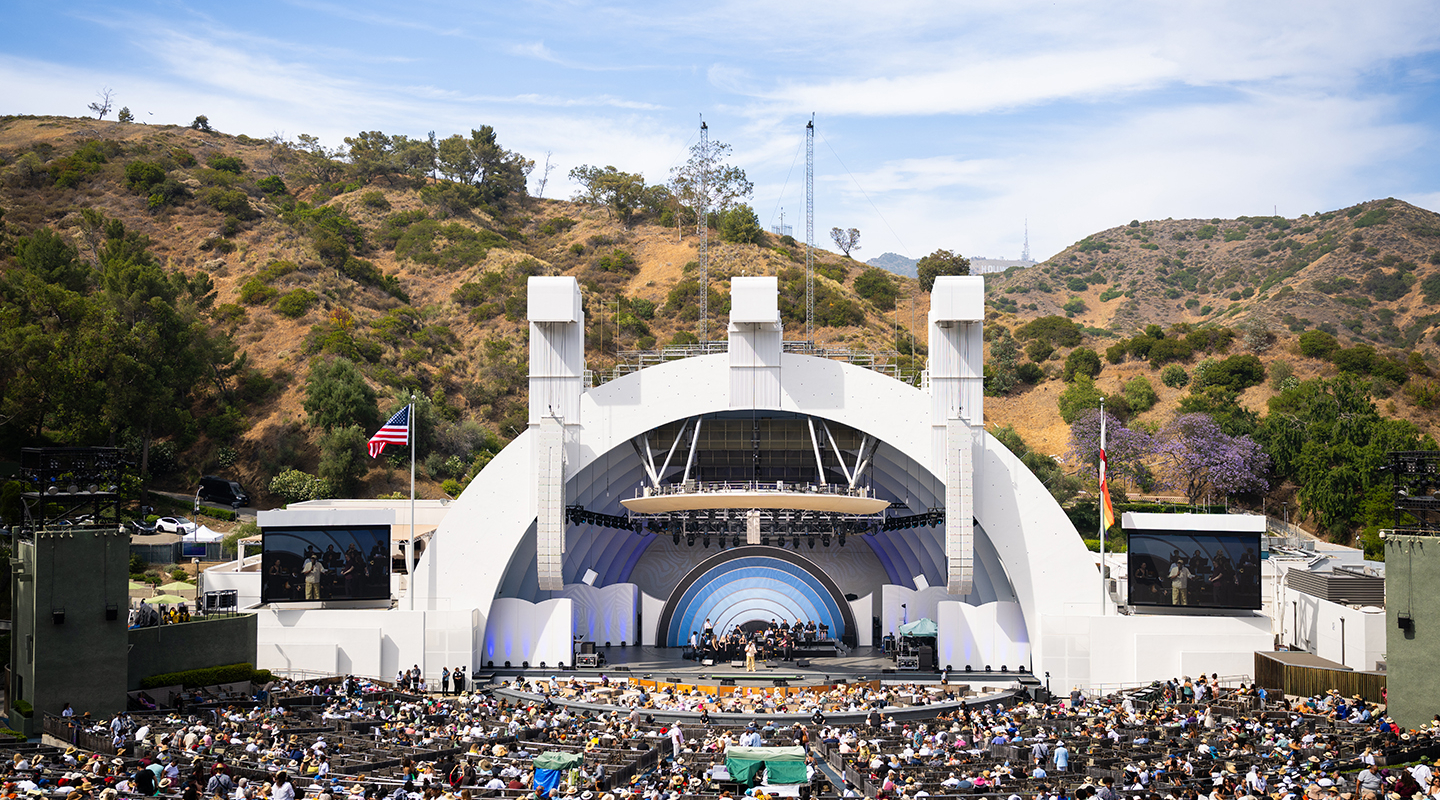


LA County High School for the Arts performs at Day 1 of the Blue Note Jazz Festival at the Hollywood Bowl on June 14, 2025.
Occidental College and LA Phil Launch New Summer Internship Program

The program will offer Occidental students an exclusive opportunity to intern with either the Hollywood Bowl, Walt Disney Concert Hall, or The Ford.

two Occidental students in a late afternoon sun-drenched scene on top of Fiji Hill at sunset
Introducing Early Action at Occidental

A new, nonbinding option that gives students more time and flexibility in the college decision process.

Occidental College students looking up at the sky amid the jungle of Costa Rica
Ideas in the Wild

At Occidental, faculty mentorship and immersive learning take you out of the classroom, into LA, and around the world.

Perspectives On Humanity In The Fine Arts Pdf Apr 2026

The rapid advancement of technology has significantly influenced the way artists represent humanity. Digital art, virtual reality, and performance art have opened up new avenues for exploring the human condition, often incorporating the body, data, and algorithms. Artists like Stelarc, who has used his own body as a canvas for digital art, and Marina Abramovic, who has pushed the limits of physical and mental endurance, have redefined the boundaries of human creativity and vulnerability. Technology has also enabled new forms of artistic collaboration, interaction, and participation, redefining the relationship between the artist, the viewer, and humanity.

The Romantic era marked a significant shift in the way artists represented humanity. No longer was the focus solely on reason and intellectualism; instead, artists began to explore the realm of emotions, passions, and the sublime. Francisco Goya's The Third of May 1808, for example, conveyed the horrors of war and the cruelty of human nature, while Caspar David Friedrich's The Wanderer above the Sea of Fog evoked a sense of existential angst and the human condition. This emphasis on emotion and the individual's inner world expanded the scope of humanity in the fine arts, acknowledging the complexity and fragility of human experience. perspectives on humanity in the fine arts pdf

The fine arts have long been a reflection of humanity's experiences, emotions, and perspectives. From the Renaissance to the present day, artists have sought to capture the essence of human existence through various mediums, including painting, sculpture, music, literature, and film. The fine arts offer a unique lens through which to examine humanity, providing insights into our collective psyche, cultural values, and existential concerns. This essay will explore the diverse perspectives on humanity in the fine arts, highlighting the ways in which artists have represented, critiqued, and reflected on human nature. Technology has also enabled new forms of artistic

The rapid advancement of technology has significantly influenced the way artists represent humanity. Digital art, virtual reality, and performance art have opened up new avenues for exploring the human condition, often incorporating the body, data, and algorithms. Artists like Stelarc, who has used his own body as a canvas for digital art, and Marina Abramovic, who has pushed the limits of physical and mental endurance, have redefined the boundaries of human creativity and vulnerability. Technology has also enabled new forms of artistic collaboration, interaction, and participation, redefining the relationship between the artist, the viewer, and humanity.

The Romantic era marked a significant shift in the way artists represented humanity. No longer was the focus solely on reason and intellectualism; instead, artists began to explore the realm of emotions, passions, and the sublime. Francisco Goya's The Third of May 1808, for example, conveyed the horrors of war and the cruelty of human nature, while Caspar David Friedrich's The Wanderer above the Sea of Fog evoked a sense of existential angst and the human condition. This emphasis on emotion and the individual's inner world expanded the scope of humanity in the fine arts, acknowledging the complexity and fragility of human experience.

The fine arts have long been a reflection of humanity's experiences, emotions, and perspectives. From the Renaissance to the present day, artists have sought to capture the essence of human existence through various mediums, including painting, sculpture, music, literature, and film. The fine arts offer a unique lens through which to examine humanity, providing insights into our collective psyche, cultural values, and existential concerns. This essay will explore the diverse perspectives on humanity in the fine arts, highlighting the ways in which artists have represented, critiqued, and reflected on human nature.